Making Self Storage Work: A Hepworth Guide
Find Out More →You've decided you need storage space. Maybe you're clearing out after a move, or you've got seasonal farm equipment that needs somewhere dry through winter. The hard part isn't finding Self Storage Hepworth — it's knowing how to actually use it so you're not throwing money at a locker you end up ignoring for months.
Getting real value comes down to three things: knowing what you're putting in before you arrive, asking the right questions upfront, and having a proper system once you've got your unit. Skip any of these and you'll find yourself paying for space you're not using well.
What should you prepare before booking?
Start by actually sorting through what you're storing. Not just mentally — physically pull it out and pile it up. This isn't about being precious; it's about understanding your real space needs.
Make a basic list of items and rough dimensions. You don't need to measure down to the centimetre, but know whether you've got a few boxes or a three-piece suite. If it's garden tools, farm equipment, or seasonal stock, note that down too — it tells you what kind of conditions matter. Someone storing delicate items needs climate control; someone storing pallets of feed might not.
This prep work also reveals what you genuinely need stored versus what you could sell, donate, or scrap. A lot of people bring things to storage and realise a month later they never wanted it in the first place. If you're unsure what you're storing and why, that's a sign to pare down first.
Once you know what you're dealing with, you'll have a real conversation with Self Storage Hepworth instead of guessing. You'll pick the right unit size first time, not upgrade halfway through and waste money on the difference.
What questions actually matter when you call?
Ask about access hours first. Not all storage facilities work the same way. If you need to grab something on a Sunday morning or drop off a pallet at 6 p.m., you need to know whether that's possible. Some places open weekdays only; others have more flexible hours.
Find out about security and what happens if there's a problem. Does the facility have cameras? What's the insurance situation? Understanding the full cost upfront includes knowing whether you need additional cover or if it's included. Don't assume — ask directly.
Ask about the space itself too. Is it ground floor or first floor? Is it shelved, open, or climate controlled? For Hepworth in particular, with the village's moorland location and the River Holme nearby, moisture can be an issue during heavy rain. If you're storing anything affected by damp — textiles, electronics, documents — mention that and ask what precautions are in place.
Pricing is obvious, but ask about minimum contract terms. Are you locked in for six months? A year? Can you cancel if your circumstances change? People use storage for different lengths of time — some temporarily, some longer term — and you need to know whether the facility works for your timeline.
How do you pack and organise smartly?
Once you've got your unit, think about layout before you start stacking. Put things you might need again towards the front or on accessible shelves. Bury the stuff you know you won't touch for months at the back.
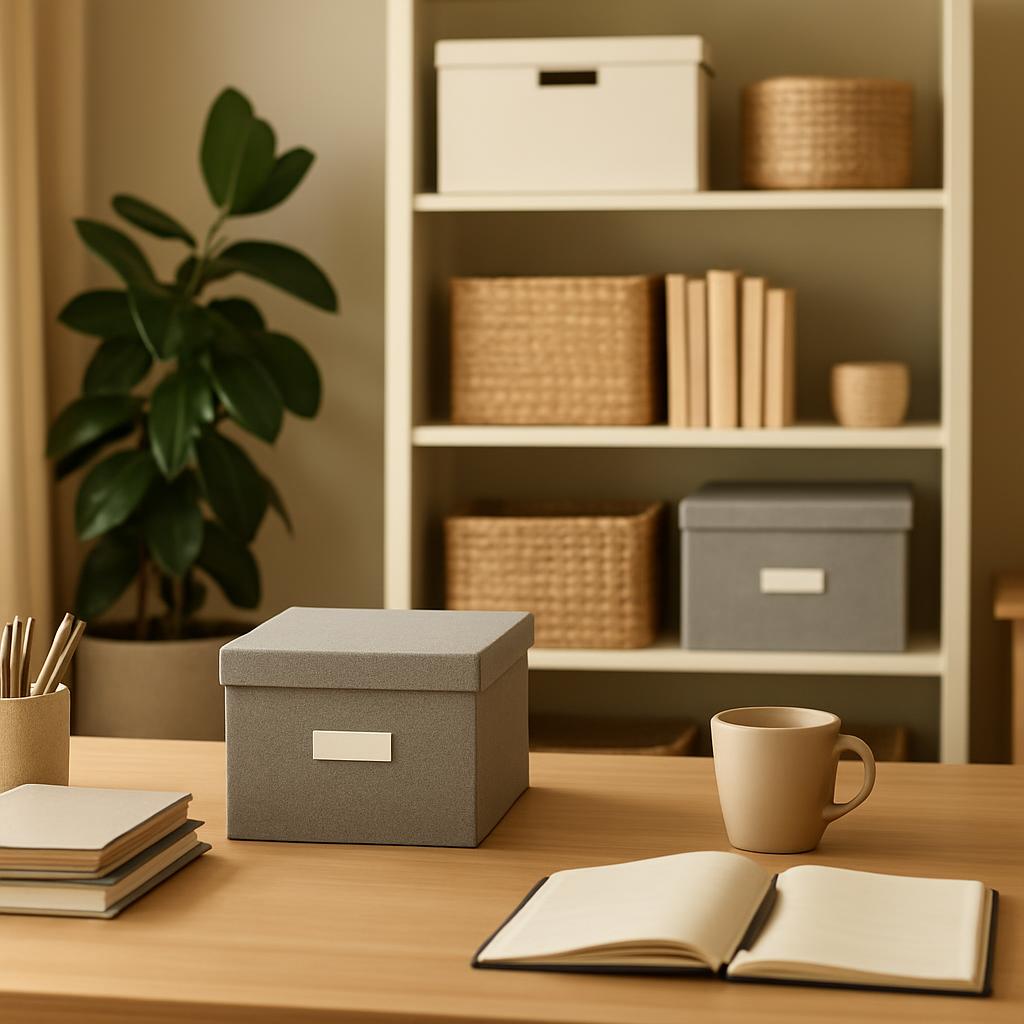
Label boxes clearly. Not just 'kitchen' — be specific. 'Kitchen: pots and pans', 'Kitchen: glassware'. You'd be surprised how often someone forgets what they stored and pays for a unit without using it, just because they can't remember where they put things.
Use boxes that stack neatly rather than random shapes. It saves space and stops things toppling. Leave a small aisle down the middle of your unit so you can actually reach things without moving everything else first. It sounds obvious, but a lot of people cram every inch and then can't access anything without a full excavation.
Take a photo of your unit before you seal it up. Sounds silly, but it's genuinely useful three months later when you can't remember the layout.
There's more detail on common mistakes in this guide, but the main thing is treating your storage like you'd treat a garage — with some basic organisation. The facilities are only as useful as the system you put in place.
Why does maintenance matter?
Check in on your storage unit every few months. Seriously. Visit it, make sure nothing's leaked, nothing's shifted, and nothing unexpected has appeared.
If you're storing anything long-term, think about whether it needs rotating or airing. Some items deteriorate faster in static, humid conditions. Others benefit from occasional circulation. It depends what you're keeping, but the point is: storage isn't set-and-forget.
Keep your list up to date. If you add things or remove things, update your inventory. It sounds like admin busywork, but it keeps you honest about what you're actually using the space for. If you realise you haven't touched something in a year, that's a signal you might not need to be paying for it anymore.
Making it work
Self Storage Hepworth works best when you go in clear about what you're storing, why you need it, and how long you'll need it for. The facility itself is only half the equation — your preparation and organisation do the rest.
If you're ready to get started, get in touch with Self Storage Hepworth directly and walk through these questions. They'll help you pick the right size and type of unit, and you'll avoid the common pitfall of paying for space you're not using properly. That's how you get real value.
Looking for Self Storage near Hepworth?
We have secure, flexible units available in the area. Get in touch with Self Storage Hepworth today.
Find Out More →